

Limited Seats Offer

Only 10 Spots Left

Use Coupon

Analyzing Electrical Loads for Single vs. Three Phase Configurations

0(0 Ratings)

Enrolled: 0

Description

Overview

The course Analyzing Electrical Loads for Single vs. Three Phase Configurations is a fast-track training designed for anyone who wants to master practical electrical systems without spending months studying. Unlike long and complicated programs, Analyzing Electrical Loads for Single vs. Three Phase Configurations removes all unnecessary theories and focuses on the industry-ready techniques used by professional electrical engineers and technicians in real-world scenarios. Whether your goal is to understand electrical distribution, handle power systems in industrial or residential settings, or become job-ready quickly, Analyzing Electrical Loads for Single vs. Three Phase Configurations will provide you with the perfect foundation — and it awards a certificate extremely fast.


Description

The electrical industry is full of opportunities — but employers expect candidates to understand how to correctly analyze loads, evaluate power distribution, and interpret single-phase and three-phase configurations. Most people waste months learning unnecessary calculations and advanced mathematics before they even reach hands-on skills. That is why Analyzing Electrical Loads for Single vs. Three Phase Configurations was developed — to help learners become skilled and job-ready in a fraction of the time.

This course does not drag on for 40+ hours or bury learners in irrelevant formulas. Instead, Analyzing Electrical Loads for Single vs. Three Phase Configurations focuses sharply on the key Per-Unit Analysis concepts and real system behavior across both single and three-phase systems — exactly the knowledge electrical employers look for.

You’ll progress through modules including:

  • Introduction To Per Unit Analysis For Single And Three Phase Systems

  • Per Phase Analysis

  • Single Phase PU Example

  • Three Phase PU Analysis Transformer Configurations (multiple scenarios)

  • Change of Bases

  • System Circuit Analysis

  • Three Phase PU Example

  • Additional PU Scenarios and Case Studies

The entire course was engineered to be crystal clear, fast to complete, and practical for career success. That’s why Analyzing Electrical Loads for Single vs. Three Phase Configurations is becoming a preferred choice among trainee engineers, electricians, technicians, and job-seekers — because it delivers a certificate faster than comparable training, giving learners a competitive advantage in the hiring process.

By the end of Analyzing Electrical Loads for Single vs. Three Phase Configurations, you will fully understand how to:

  • Analyze electrical loads using per-unit systems

  • Compare and evaluate single vs. three-phase system behavior

  • Understand transformer configuration changes

  • Perform practical circuit analysis confidently

  • Read and troubleshoot system data from an engineering perspective

Every topic connects directly to skills employers expect from job-ready applicants. The structure of Analyzing Electrical Loads for Single vs. Three Phase Configurations makes it easy for beginners, yet valuable and sharp enough for working professionals who wish to refine their electrical load analysis knowledge.

Unlike slow programs that require months of lectures, Analyzing Electrical Loads for Single vs. Three Phase Configurations is built so you can learn fast, finish fast, and become certified fast — without compromising quality. This is the shortest yet most effective route to understanding real-world load analysis.


Who Is This Course For?

Analyzing Electrical Loads for Single vs. Three Phase Configurations is specifically built for:

  • Students entering the electrical engineering field who need fast learning without overwhelm

  • Aspiring electricians and technicians looking to build strong technical foundations

  • Workers in solar, industrial controls, and power distribution who need per-unit and phase-analysis skills

  • Job-seekers who want a certificate that improves hiring chances quickly

  • Professionals upgrading their skills for promotions or new responsibilities

Anyone who wants to understand power systems practically — without long expensive courses — will benefit from Analyzing Electrical Loads for Single vs. Three Phase Configurations.


Frequently Asked Questions (FAQ)

💬 How long does the course take to complete?
One of the biggest advantages of Analyzing Electrical Loads for Single vs. Three Phase Configurations is the short completion time. While other programs take weeks or months, this course is designed so you can finish and get certified incredibly fast.

💬 Will I receive a certificate?
Yes. After finishing Analyzing Electrical Loads for Single vs. Three Phase Configurations, you will receive a professional certificate that can be added to your resume, LinkedIn profile, or job applications.

💬 Do I need previous engineering knowledge?
No. Analyzing Electrical Loads for Single vs. Three Phase Configurations is structured so total beginners can follow easily, while professionals will still gain high-value technical insights.

💬 Will this course help me get a job?
Yes — that is one of the main goals. Analyzing Electrical Loads for Single vs. Three Phase Configurations focuses on skills electrical and power system employers expect. Completing it quickly means you can enter the job market faster with proof of skill.

💬 Is this course theoretical or practical?
100% practical and industry-focused. Analyzing Electrical Loads for Single vs. Three Phase Configurations teaches you how calculations and configurations apply to real systems, not just textbook problems.

💬 Why is this course shorter than others? Does that mean I learn less?
No. The curriculum of Analyzing Electrical Loads for Single vs. Three Phase Configurations removes time-wasting topics and focuses only on what is required to become skilled and job-ready. The result is less time wasted and more learning gained.


🚀 Final Message

If you want to understand electrical loads, learn per-unit analysis, and master single-phase vs. three-phase system behavior without spending months learning, then Analyzing Electrical Loads for Single vs. Three Phase Configurations is the perfect choice.

You’ll get:
✔ Fast completion
✔ Practical, job-oriented skills
✔ A certificate that boosts employment opportunities
✔ Clear instruction that builds confidence and competence

In a competitive job market, completing Analyzing Electrical Loads for Single vs. Three Phase Configurations gives you an advantage — because you can get certified faster than everyone else.

Key Features

Free Instant e-Certificate from Khan Education

Course is CPD IQ Accredited

Instant Access to the study materials

Fully online, can access anytime from anywhere using any device

1 Year Access to Course Materials

Audio-Visual Training

Who is this course for?

Perfect for beginners and professionals alike.

Ideal for building upon existing foundations.

Valuable for earning certificates.

Suitable for students and lifelong learners.

Perfect for curious minds exploring new topics.

"An investment in knowledge pays the best interest."

– Benjamin Franklin

Course Curriculum

About Course

Overview

The course Analyzing Electrical Loads for Single vs. Three Phase Configurations is a fast-track training designed for anyone who wants to master practical electrical systems without spending months studying. Unlike long and complicated programs, Analyzing Electrical Loads for Single vs. Three Phase Configurations removes all unnecessary theories and focuses on the industry-ready techniques used by professional electrical engineers and technicians in real-world scenarios. Whether your goal is to understand electrical distribution, handle power systems in industrial or residential settings, or become job-ready quickly, Analyzing Electrical Loads for Single vs. Three Phase Configurations will provide you with the perfect foundation — and it awards a certificate extremely fast.


Description

The electrical industry is full of opportunities — but employers expect candidates to understand how to correctly analyze loads, evaluate power distribution, and interpret single-phase and three-phase configurations. Most people waste months learning unnecessary calculations and advanced mathematics before they even reach hands-on skills. That is why Analyzing Electrical Loads for Single vs. Three Phase Configurations was developed — to help learners become skilled and job-ready in a fraction of the time.

This course does not drag on for 40+ hours or bury learners in irrelevant formulas. Instead, Analyzing Electrical Loads for Single vs. Three Phase Configurations focuses sharply on the key Per-Unit Analysis concepts and real system behavior across both single and three-phase systems — exactly the knowledge electrical employers look for.

You’ll progress through modules including:

  • Introduction To Per Unit Analysis For Single And Three Phase Systems

  • Per Phase Analysis

  • Single Phase PU Example

  • Three Phase PU Analysis Transformer Configurations (multiple scenarios)

  • Change of Bases

  • System Circuit Analysis

  • Three Phase PU Example

  • Additional PU Scenarios and Case Studies

The entire course was engineered to be crystal clear, fast to complete, and practical for career success. That’s why Analyzing Electrical Loads for Single vs. Three Phase Configurations is becoming a preferred choice among trainee engineers, electricians, technicians, and job-seekers — because it delivers a certificate faster than comparable training, giving learners a competitive advantage in the hiring process.

By the end of Analyzing Electrical Loads for Single vs. Three Phase Configurations, you will fully understand how to:

  • Analyze electrical loads using per-unit systems

  • Compare and evaluate single vs. three-phase system behavior

  • Understand transformer configuration changes

  • Perform practical circuit analysis confidently

  • Read and troubleshoot system data from an engineering perspective

Every topic connects directly to skills employers expect from job-ready applicants. The structure of Analyzing Electrical Loads for Single vs. Three Phase Configurations makes it easy for beginners, yet valuable and sharp enough for working professionals who wish to refine their electrical load analysis knowledge.

Unlike slow programs that require months of lectures, Analyzing Electrical Loads for Single vs. Three Phase Configurations is built so you can learn fast, finish fast, and become certified fast — without compromising quality. This is the shortest yet most effective route to understanding real-world load analysis.


Who Is This Course For?

Analyzing Electrical Loads for Single vs. Three Phase Configurations is specifically built for:

  • Students entering the electrical engineering field who need fast learning without overwhelm

  • Aspiring electricians and technicians looking to build strong technical foundations

  • Workers in solar, industrial controls, and power distribution who need per-unit and phase-analysis skills

  • Job-seekers who want a certificate that improves hiring chances quickly

  • Professionals upgrading their skills for promotions or new responsibilities

Anyone who wants to understand power systems practically — without long expensive courses — will benefit from Analyzing Electrical Loads for Single vs. Three Phase Configurations.


Frequently Asked Questions (FAQ)

💬 How long does the course take to complete?
One of the biggest advantages of Analyzing Electrical Loads for Single vs. Three Phase Configurations is the short completion time. While other programs take weeks or months, this course is designed so you can finish and get certified incredibly fast.

💬 Will I receive a certificate?
Yes. After finishing Analyzing Electrical Loads for Single vs. Three Phase Configurations, you will receive a professional certificate that can be added to your resume, LinkedIn profile, or job applications.

💬 Do I need previous engineering knowledge?
No. Analyzing Electrical Loads for Single vs. Three Phase Configurations is structured so total beginners can follow easily, while professionals will still gain high-value technical insights.

💬 Will this course help me get a job?
Yes — that is one of the main goals. Analyzing Electrical Loads for Single vs. Three Phase Configurations focuses on skills electrical and power system employers expect. Completing it quickly means you can enter the job market faster with proof of skill.

💬 Is this course theoretical or practical?
100% practical and industry-focused. Analyzing Electrical Loads for Single vs. Three Phase Configurations teaches you how calculations and configurations apply to real systems, not just textbook problems.

💬 Why is this course shorter than others? Does that mean I learn less?
No. The curriculum of Analyzing Electrical Loads for Single vs. Three Phase Configurations removes time-wasting topics and focuses only on what is required to become skilled and job-ready. The result is less time wasted and more learning gained.


🚀 Final Message

If you want to understand electrical loads, learn per-unit analysis, and master single-phase vs. three-phase system behavior without spending months learning, then Analyzing Electrical Loads for Single vs. Three Phase Configurations is the perfect choice.

You’ll get:
✔ Fast completion
✔ Practical, job-oriented skills
✔ A certificate that boosts employment opportunities
✔ Clear instruction that builds confidence and competence

In a competitive job market, completing Analyzing Electrical Loads for Single vs. Three Phase Configurations gives you an advantage — because you can get certified faster than everyone else.

Show More

Course Content

Introduction To Per Unit Analysis For Single And Three Phase Systems Course

  • Introduction To Per Unit Analysis For Single And Three Phase Systems Course
    00:00

Per Phase Analysis

Single Phase Pu Example

Three Phase Pu Analysis Transformer Configurations

Three Phase Pu Analysis Transformer Configurations

Three Phase Pu Analysis Transformer Configurations

Change Of Bases

System Circuit Analysis

Three Phase Pu Example

Pu Example

Pu Example

Pu Example

Student Ratings & Reviews

No Review Yet
No Review Yet
Image

QUALITY ASSURED

MONEY BACK GUARANTED

If you’re feeling hesitant, you should know that you have downside guaranteed when you take a course with Khan Education. If we fail to meet your expectations, you can get full refund of your money only by letting us know. All you have to do is give us a knock and let us know you weren’t happy and we’ll refund you completely.

CERTIFICATION

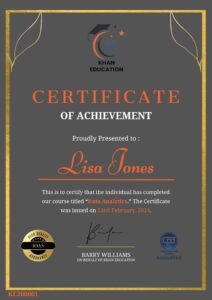
Upon completion of the course, an e-certificate will be downloadable from Khan Education signifying the completion of your course. But, the course is CPD Accredited and after you complete the assignment, you will be eligible to order a certificate accredited by CPD International Quality for £5.99 only. If you want a hardcopy certificate accredited by CPD IQ, you can get it for only £15.99.
Image

FAQ's

At Khan Education, we have curated a selection of frequently asked questions that prospective students often pose before enrolling in our courses. We trust you will find these inquiries helpful. Should you have any specific questions not covered here, please feel free to contact us.
Enrolling in one of our online courses is a very straightforward procedure. On your interested course page, select the ‘Add to Cart’ button to add the course in your shopping cart. Subsequently, proceed to the checkout screen to input your payment details. Upon successful payment processing, you will be given access to your online course immediately. Following your enrollment, we will promptly send an email containing your course details and invoice to the address provided in your sign up.

Yes. Khan Education provides immediate access to your course materials online, meaning that you can study from anywhere in the world, provided you have a device with an internet connection. We have students spanning over 80 countries taking our courses worldwide.

Yes. You have the option to buy a course for a family member or friend. But please notify us and maintain clarity after checkout so that we can update the course details accordingly.

Course Image

£125.00 £14.00